
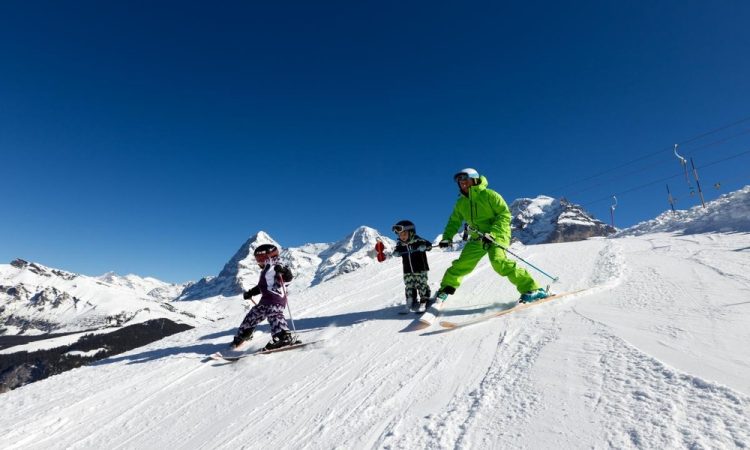
The Three Valleys – Les Trois Vallées – is the largest linked ski area in the world. Stretching across three interconnected valleys in the Savoie region of the French Alps, it connects eight distinct resorts across more than 600km of marked runs, served by 184 lifts. Understanding how to navigate it, where to stay such as catered chalet three valleys, and how to make the most of its extraordinary scale is the purpose of this guide.
The Geography
The Three Valleys runs roughly east to west across the Tarentaise region of Savoie. From west to east, the main resorts are:
- Les Menuires (1,850m)
- Saint-Martin-de-Belleville (1,450m)
- Val Thorens (2,300m) – Europe’s highest ski resort
- Méribel (1,450m / 1,600m)
- Méribel-Mottaret (1,750m)
- Courchevel 1650 (formerly Merlette)
- Courchevel 1850 (the main Courchevel village)
- Courchevel Village / 1550
- La Tania (1,400m)
The mountain terrain connecting these valleys spans from approximately 1,300m at the lowest valley floors to 3,230m at the top of the Val Thorens gondola system.
A linked lift pass, the Three Valleys pass, gives access to all of this terrain. A day ticket at the time of writing is approximately €60-70, rising to €370-420 for a six-day adult pass (prices vary by season and booking date).
The Resorts in Detail
Val Thorens
Val Thorens (or VT as it’s invariably abbreviated) is the resort people either love or approach with mild horror, usually depending on how much they value ski convenience versus aesthetic beauty.
As Europe’s highest ski resort, sitting entirely above the treeline at 2,300m, Val Thorens is a purpose-built resort from the 1970s with concrete and glass architecture that was functional rather than beautiful. But the skiing speaks for itself. At this altitude, snow reliability is extraordinary, VT regularly skis from November through to May, and the resort has hosted more than 30 events on the Ski World Cup circuit.
The terrain around Val Thorens is predominantly north-facing, which helps preserve snow quality. Highlights include:
- The Cime de Caron (3,200m): Accessed by a large cable car, this gives access to some of the area’s best off-piste and spectacular views. The top-to-bottom descent is over 1,600m of vertical.
- Péclet Glacier: Excellent high-altitude skiing on a reliable snow base.
- The Caron black run: One of the more demanding on-piste descents in the Three Valleys.
For après-ski, Val Thorens has a reputation as one of France’s livelier resorts, regular DJ nights, large après-ski bars, and an energy that suits those who want to combine serious skiing with serious partying.
Best for: Snow-seekers, late-season trips, those who prioritise skiing over scenery, groups who want guaranteed conditions.
Les Menuires
Often underestimated, Les Menuires offers some of the Three Valleys’ best skiing at a lower price point than its neighbours. The main resort (1,850m) is another purpose-built development – La Croisette, its central hub, is brutal 1970s concrete, but the outlying hamlets of Reberty and Les Bruyères have a more attractive character.
The skiing around Les Menuires is genuinely excellent: wide, sweeping terrain that suits intermediates particularly well, with direct lift connections to Val Thorens above and Méribel across the ridge. The area is often overlooked in favour of the “prestige” resorts, which means shorter queues and better value.
Best for: Value-conscious groups, strong intermediates, those who want the Three Valleys pass but without the Val Thorens premium prices.
Saint-Martin-de-Belleville
The most charming resort in the Three Valleys. Saint-Martin is an authentic Savoyard village – stone buildings, a beautiful baroque church, narrow lanes, that was incorporated into the Three Valleys ski area in the 1980s. It sits below Les Menuires in the same valley at 1,450m.
The skiing directly accessible from Saint-Martin is limited, it’s primarily accessed via Les Menuires lifts, but the village itself is exceptional. The restaurant scene is outstanding: La Bouitte, a two-Michelin-star restaurant in a hamlet just above the village, is one of the best restaurants in the French Alps and worth a pilgrimage even for non-skiers.
Best for: Those who prioritise authentic atmosphere over ski convenience; special occasion dinners.
Méribel
Méribel sits at the heart of the Three Valleys, geographically central and, in many ways, the soul of the ski area. The resort was founded by British skier Peter Lindsay in 1938, which explains why it has historically attracted such a strong British following and why it has a distinctly anglophone character.
Unlike Val Thorens and Les Menuires, Méribel was built with aesthetics in mind. There are planning restrictions requiring all buildings to use local stone and larch, giving the resort a coherent, attractive appearance. The main village (Méribel Centre) and higher Méribel-Mottaret both have good chalet and apartment accommodation, and the Méribel-Mottaret position (1,750m) gives slightly better ski access.
The skiing is predominantly intermediate, wide red runs, well-maintained pistes, excellent connections to both Courchevel (via the Col de la Loze) and Val Thorens/Les Menuires (via the Saulire summit). For advanced skiers, the Roc de Fer area and the off-piste above the Plattieres gondola offer more challenge.
Méribel also hosted the alpine skiing events at the 1992 Albertville Winter Olympics, the women’s Olympic piste (the Roc de Fer run) can still be skied today.
Best for: Intermediates, British groups, families, those who want both good skiing and a genuinely attractive resort village.
Courchevel
Courchevel is the most famous resort in the Three Valleys and one of the most prestigious ski resorts in Europe. It has four distinct villages (now officially named 1300/Le Praz, 1550/Village, 1650/Merlette, and 1850/Courchevel) at different altitudes, all connected by lifts.
Courchevel 1850 (the most famous, and despite the altitude designation now officially renamed simply “Courchevel”) is synonymous with luxury ski holidays. It has the highest concentration of five-star hotels and Michelin-starred restaurants in any ski resort in the world, a clientele that includes some of Europe’s wealthiest families, and accommodation prices to match.
The skiing is excellent, a broad range of terrain across all ability levels, superb lift infrastructure, and direct connections to Méribel and beyond. The Saulire summit (2,738m) gives access to some of the resort’s most impressive terrain, including the steep Couloir du Suisse.
Courchevel 1650 is a more accessible, less expensive version of the same ski area, still beautiful, still well-connected, but without the extreme luxury premium.
Best for: Those for whom luxury is the priority (1850); strong skiers who want excellent terrain without the extreme prices (1650); families who want a complete, well-developed resort (all villages).
La Tania
A small, car-free village at 1,400m, La Tania sits below the skiing of Courchevel 1850 and offers a calm, relatively affordable alternative to its glamorous neighbour. It’s connected to the main Courchevel ski area by lift and has a genuine village atmosphere without the chaos of the larger resorts.
Best for: Families, those on tighter budgets who still want Three Valleys access.
The Three Valleys Skiing: How to Navigate It
On-Piste Highlights
For beginners: The gentlest terrain is found at Les Menuires (wide green and blue runs above the village) and in parts of Méribel (the Altiport area has some comfortable terrain for beginners). Val Thorens has wide, gentle slopes that suit nervous intermediates.
For intermediates: Spoiled for choice. Almost every area has excellent intermediate terrain. Highlights include the long top-to-bottom runs in Courchevel, the sweeping reds above Méribel, and the vast high-altitude terrain around Val Thorens.
For advanced skiers: The Cime de Caron descent above Val Thorens, the Couloir du Suisse in Courchevel, the Roc de Fer area in Méribel, and the multiple off-piste options accessible from the ridge between valleys.
Classic Ski Days
The Three Valleys Grand Tour: Starting from any resort and skiing through all three valleys in a day. This is achievable by a solid intermediate or above with a full day.
Breakfast in France, lunch in Switzerland (almost): Not strictly possible within the ski area, but the Cime de Caron top gives extraordinary cross-border views and the sensation of being at the edge of the world.
Méribel to Saint-Martin lunch loop: Drop from Méribel over to Les Menuires and then down to Saint-Martin for lunch at one of its excellent restaurants, then return via the lift system in the afternoon.
The Snowpark Scene
Val Thorens has one of the best snowparks in France, the Snowpark Val Thorens is reliably maintained with a range of features from beginner boxes to expert kickers. Méribel and Courchevel also have parks, though smaller.
Off-Piste in the Three Valleys
The Three Valleys has extensive off-piste terrain, much of it accessible directly from the lifts. Key areas include:
- The Méribel Faces: North-facing powder fields accessible from the Saulire summit
- The Caron Couloirs: Expert terrain above Val Thorens requiring a guide
- The Couloir du Suisse: Classic Courchevel descent, very steep
- The Grand Couloir: One of the most famous lines in the Alps, accessed from the Saulire cable car above Courchevel – extremely steep, for experts only
Always ski off-piste with a qualified mountain guide. The Three Valleys avalanche terrain is serious and conditions change rapidly.
Getting to the Three Valleys
Geneva Airport (GVA) is the main gateway: approximately 2-2.5 hours by road to Méribel or Courchevel, slightly longer to Val Thorens.
Chambéry Airport (CMF) is closer (around 1.5 hours to most resorts) but has fewer direct flights from the UK.
By train: The Eurostar Ski Train runs from London St Pancras to Moûtiers-Salins-Brides-les-Bains, with connecting buses to the Three Valleys resorts. Moûtiers is the rail gateway to the Three Valleys – taxi and bus connections run regularly in season.
The Three Valleys in Numbers
- 600+km of marked runs (the most in the world for a single linked ski area)
- 184 lifts, including high-speed gondolas and cable cars
- 8 resorts fully connected
- 1,300m lowest point (Le Praz/Courchevel 1300)
- 3,230m highest point (Péclet, Val Thorens)
- Nearly 1,000m of vertical from highest to lowest point
Final Word
The Three Valleys justifies its reputation as the world’s greatest ski area. The scale of the terrain means that even a week of concentrated skiing, with ambitious daily circuits, barely scratches the surface. For mixed-ability groups, it’s perhaps the most practical large ski area in the world: beginners can progress on the gentle slopes of their home resort while advanced skiers explore the full breadth of the area.
The key is choosing the right base. Once you’ve done that, the Three Valleys delivers.