

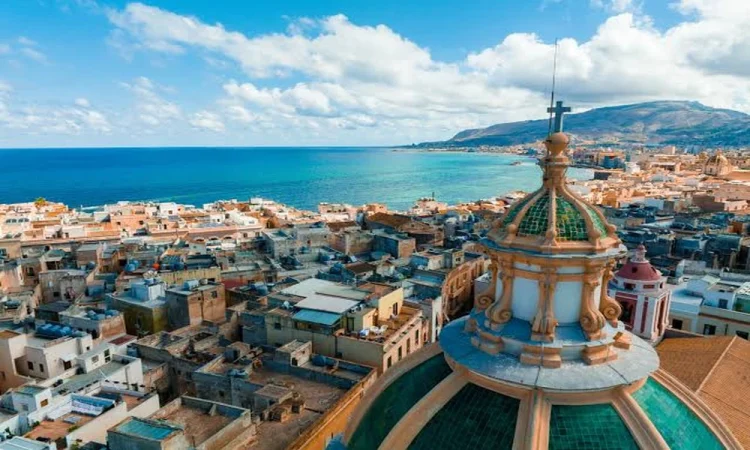
Tucked away on the westernmost tip of Sicily, Trapani is often overlooked by travelers rushing toward Palermo or the busier tourist trails of Taormina and Catania. Yet this coastal city, with its salt flats, medieval old town, and gateway location to some of Sicily’s most breathtaking destinations, deserves a place on every itineraryGetting There: Trapani-Birgi AirportMost visitors arrive via Trapani-Birgi Airport (TPS), a small, easy-to-navigate hub that serves as the entry point to western Sicily. Unlike larger airports, Trapani-Birgi means no long queues or endless walking to baggage claim – you can be out the door and on your way within twenty minutes of landing.From the airport, travelers have a few options for reaching the city center or nearby towns. Public buses run on a limited schedule, which works well if your flight times align, but many visitors prefer the flexibility of a private taxi transfer, especially after a long flight or with luggage in tow. You can easily book a taxi from Trapani-Birgi airport online before you land, so a driver is waiting the moment you arrive – no negotiating fares curbside after a tiring journey.
Exploring Trapani’s Old Town
Once settled, the historic center rewards slow exploration. Via Garibaldi, the main pedestrian artery, is lined with Baroque churches, artisan shops, and the kind of unpretentious trattorias where the day’s catch determines the menu. Don’t miss the Chiesa del Purgatorio, home to the “Misteri” – twenty life-sized wooden sculptures carried through the streets each Good Friday in a centuries-old procession.For a quieter moment, walk out to the harbor at sunset. The Torre di Ligny, a 17th-century watchtower at the tip of the peninsula, offers sweeping views over the water toward the Egadi Islands – visible on a clear day and well worth a day trip of their own.
The Salt Pans and Marsala
South of Trapani, the Saline di Trapani e Paceco nature reserve is one of Sicily’s most photographed landscapes: centuries-old salt pans dotted with traditional windmills, pink-tinged water, and flocks of flamingos in the warmer months. It’s a short drive or taxi ride from the city and makes for an easy half-day excursion.Further south lies Marsala, famous for its fortified wine and elegant seaside promenade. History buffs will appreciate the Museo Archeologico Baglio Anselmi, which houses the remains of a Punic warship recovered from the surrounding waters – a rare artifact from the First Punic War.
Practical Tips for Getting Around
Western Sicily rewards travelers who plan their transport in advance, since public transit between towns can be infrequent. A few tips:
- Book airport transfers ahead of time. Reserving a taxi online before you land removes the stress of arrival logistics, particularly for late-night or early-morning flights.
- Consider shared shuttles for day trips. Routes connecting Trapani-Birgi with Marsala or San Vito Lo Capo often have shared van options, which are more budget-friendly than a private car.
- Rent a car only if you plan to explore extensively. For city-based stays, taxis and short transfers are usually more practical than parking and navigating narrow historic streets.
Final Thoughts
Trapani may not have the name recognition of Sicily’s more famous destinations, but that’s precisely its appeal. Fewer crowds, authentic local life, and a landscape that shifts from salt-white flats to deep blue coastline within a short drive make it an ideal base for exploring the island’s western edge. Plan your transfers ahead, leave room for spontaneous wine stops in Marsala, and let Trapani surprise you.