Essential Gear Checklist for First-Time Campers: What You Really Need to Bring

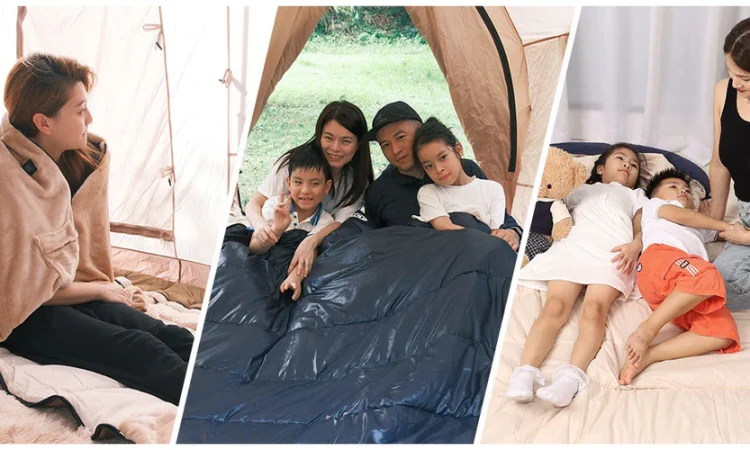
Stepping into the world of camping for the first time is both exciting and overwhelming. You may be imagining peaceful mornings surrounded by trees, crackling fires at night, and the satisfaction of living simply in the outdoors. At the same time, you might be wondering what gear you actually need to ensure a comfortable and safe experience. With so many products and recommendations available, it’s easy for beginners to overpack or bring things they never end up using. The key to an enjoyable first trip is to understand the fundamentals—what contributes to shelter, sleep, safety, and comfort—and choose gear that supports these essentials without unnecessary complications. This guide walks you through the most important items you should bring and explains why each one matters, offering practical advice to help you prepare for a successful first adventure.
Shelter and Sleeping Essentials
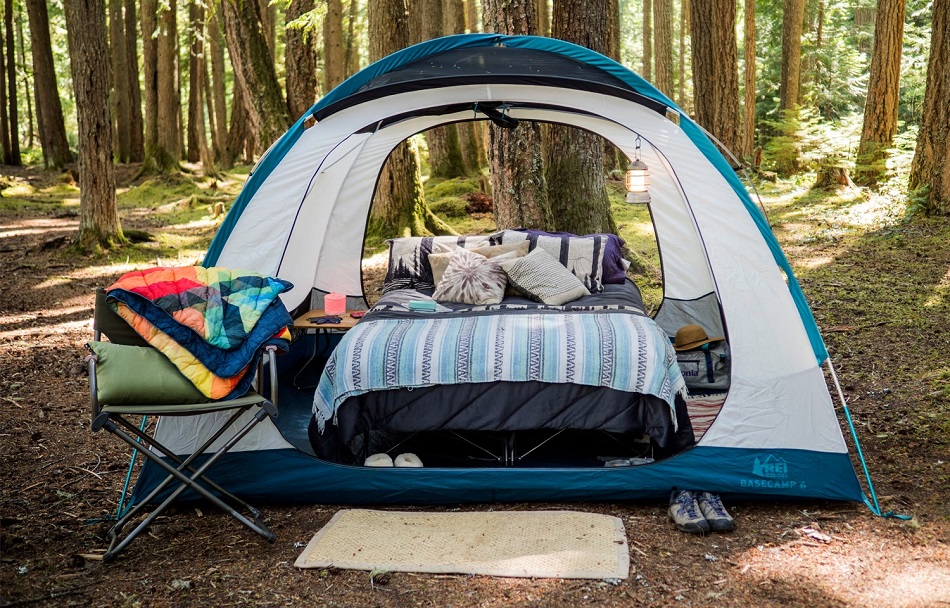
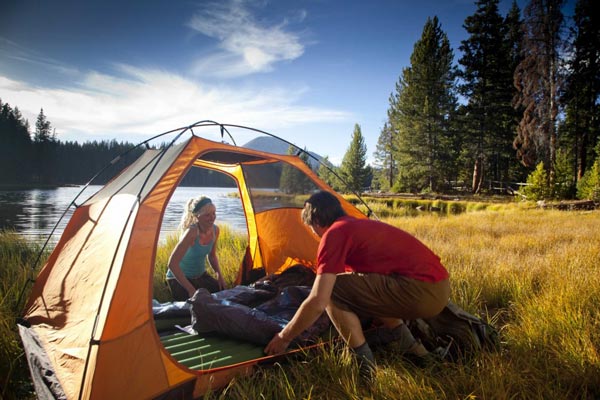
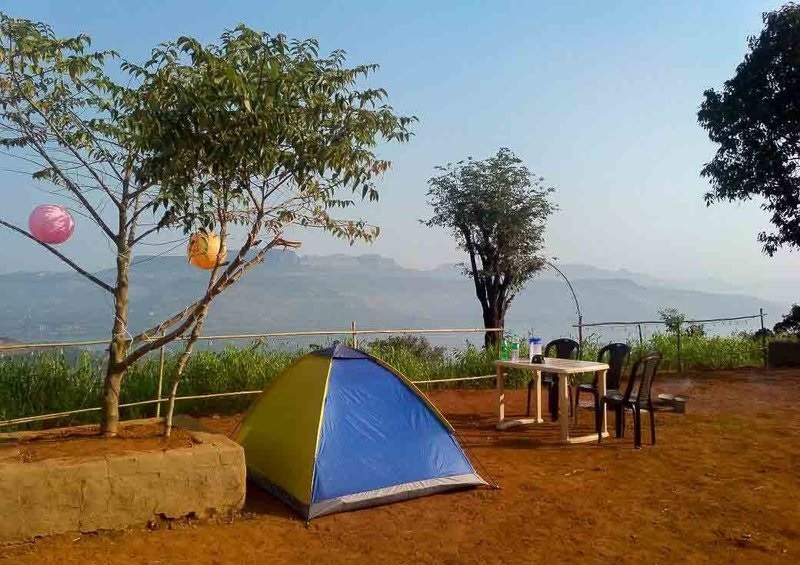
Your tent is the foundation of your campsite, acting as your main barrier against wind, rain, and insects. A simple, reliable tent is often better than a complicated design, especially for beginners. What matters most is that it sets up easily, stays stable in mild weather, and includes a rainfly that fully covers the structure. Practicing setup at home can prevent stress if you arrive late or encounter unexpected conditions.
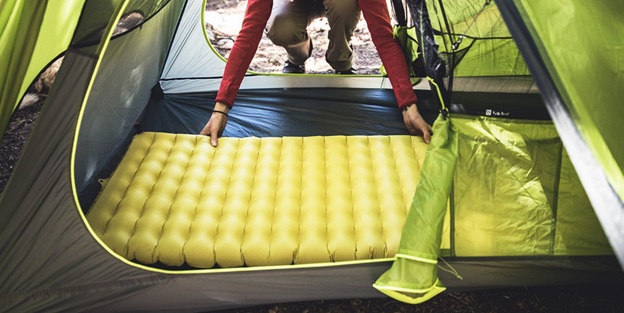
Inside the tent, your sleep system determines how well you rest. A sleeping mat provides insulation from the ground, which is important even during warm seasons because earth temperature drops significantly at night. Pair it with a シュラフ suited to the expected weather so you can maintain a comfortable core temperature. Bringing a small pillow—whether inflatable or from home—adds extra comfort and helps you wake up refreshed rather than stiff or cold.
Cooking Gear and Food Preparation
A beginner-friendly cooking setup should be simple, predictable, and easy to clean. A compact stove allows you to boil water and prepare meals without relying on campfires, which are often restricted or difficult to maintain. A single pot, a pan, and heat-resistant utensils are usually enough for basic campsite meals. Choosing lightweight, easy-to-wash cookware saves time and effort, especially in places with limited water access.
Food storage is essential for safety and convenience. Sealed containers help prevent insects from reaching your supplies, and they keep food fresh for longer durations. Depending on your campsite’s rules, you may need to secure your food in designated areas or elevated storage. Proper storage protects you from wildlife interactions and keeps your camping area cleaner and more pleasant.
Clothing for Weather Protection and Comfort
Clothing is a major factor in your overall comfort outdoors. Start with moisture-wicking base layers that help regulate body temperature and keep sweat away from the skin. Add insulating mid-layers such as fleece or lightweight synthetics to retain warmth when temperatures drop. Even if the forecast looks stable, bring a waterproof and windproof jacket to protect against sudden changes in weather.
Footwear is equally important. Shoes with good grip and sturdy support make moving across uneven terrain easier and safer. Pack at least one extra pair of socks so you always have a dry option, especially if you encounter rain or damp ground. Comfortable clothing and proper footwear significantly enhance your experience and reduce the risk of blisters or discomfort during hikes and campsite activities.
Lighting and Navigation Tools
When night falls, the wilderness becomes much darker than most first-time campers expect. A reliable headlamp allows you to handle tasks hands-free, whether you’re cooking, organizing gear, or moving around the campsite. A small lantern can brighten shared spaces and make evenings more enjoyable, especially during meals or conversations.
For navigation, a phone alone should not be your only tool. Battery life drains quickly in remote areas, and signals are often unreliable. Carrying a physical map and a simple compass ensures you can always find your way, even when electronics fail. These tools offer peace of mind and help you stay aware of your surroundings, especially on longer walks or unfamiliar trails.
Safety, Health, and Hygiene Essentials
A well-prepared first-aid kit is essential for dealing with small injuries such as cuts, scrapes, or blisters. Even on easy trails, minor accidents can happen, and having basic supplies lets you treat them quickly. Include items that help with cleaning wounds and protecting them from dirt until they heal. For longer trips, ensure you pack any personal medication you may need.
Hygiene plays an important role in comfort and well-being. A compact towel, biodegradable soap, and hand sanitizer make it easier to stay clean even if your campsite has limited facilities. Sunscreen and insect repellent are also important because camping usually involves long hours outdoors. Protecting your skin from insects and UV rays keeps you comfortable and prevents unnecessary irritation.
Tools and Emergency Equipment
A small toolkit can solve many common camping problems. A multi-tool helps with food preparation, gear adjustments, and quick repairs, while reliable fire-starting equipment ensures you can boil water or stay warm when conditions allow. Extra cord or rope comes in handy for securing tarps, drying clothes, or reinforcing tent structures during windy conditions.
Emergency items add an extra layer of security. A whistle can help others locate you if you become separated from your group, and a lightweight emergency blanket provides warmth during unexpected weather changes. These tools take up little space but offer considerable reassurance, especially for beginners who may not yet be familiar with outdoor unpredictability.
Comfort Items That Enhance the Experience
Beyond survival essentials, comfort items play an important role in making your first camping experience enjoyable rather than stressful. A 折りたたみ椅子 gives you a comfortable place to relax during meals or while enjoying the scenery. A soft extra layer or blanket can help you stay warm during evening conversations or early morning breakfasts.
Small personal items can also make your campsite feel more welcoming. A book, a journal, or a compact speaker can make downtime more enjoyable. Keeping your belongings organized in separate bags—one for clothing, one for cooking gear, and one for tools—helps maintain a tidy space and reduces the time spent searching for items, making your entire trip more relaxed and pleasant.
Final Thoughts
Camping becomes far more enjoyable when you know you’re prepared. Focusing on essential gear—shelter, sleep, cooking, clothing, lighting, and safety—creates a solid foundation for comfort and confidence in the outdoors. As you gain experience, you’ll develop your own preferences and refine your packing list. For now, this balanced and beginner-friendly guide provides everything you need to enjoy your first camping trip and build memorable outdoor experiences with ease.