
Planning a ski holiday in chalet val d isere is exciting, but it is also surprisingly easy to get wrong. From overpaying for lift passes to booking the wrong resort, small mistakes can quickly add stress and unnecessary cost to your trip.
Whether you are a first time skier or a seasoned mountain regular, avoiding these common ski holiday mistakes will help you enjoy smoother travel, better skiing and far better value for money.
1. Booking the Wrong Resort for Your Ability
One of the most common ski holiday mistakes is choosing a resort based on reputation rather than suitability. A famous resort does not automatically mean it is right for you.
Beginners often struggle in resorts with limited nursery slopes, while advanced skiers can feel restricted in smaller areas with few challenging runs.
How to avoid it:
Choose a resort that matches the weakest skier in your group. Look at the percentage of beginner, intermediate and advanced runs, not just the total size of the ski area.
2. Leaving Bookings Too Late or Too Early
Many people assume last minute deals are always cheaper, while others book far too early without knowing prices or snow conditions.
Both approaches can backfire. Late bookings reduce availability and choice, while early bookings can lock you into poor value if plans change.
How to avoid it:
Book flights and accommodation early for popular school holiday weeks. For quieter weeks, aim for mid season booking when prices are clearer and availability is still strong.
3. Underestimating the True Cost of a Ski Holiday
A ski holiday is more than just flights and accommodation. Lift passes, equipment hire, lessons, transfers and food all add up quickly.
Failing to budget properly can turn a dream trip into a financial shock.
How to avoid it:
Create a full cost breakdown before booking. Factor in lift passes, ski hire, lessons, transfers, resort taxes and food. Tailor made ski trips often offer better overall value than booking everything separately.
4. Choosing the Wrong Type of Accommodation
Hotels, self catered apartments and catered chalets all offer very different experiences. Many people book without considering how they want their evenings to feel.
After a long day skiing, cooking and cleaning can quickly lose its appeal.
How to avoid it:
If you value comfort, good food and relaxation, consider a catered chalet. If flexibility is more important, self catering may suit you better. Think about how much time you want to spend skiing versus resting.
5. Packing Poorly or Forgetting Essentials
Packing mistakes are common, especially for first timers. Forgetting ski socks, gloves or goggles can be expensive once you reach resort.
Overpacking is just as bad, particularly when airlines charge for luggage weight.
How to avoid it:
Use a ski specific packing list and stick to it. Wear bulky items such as ski boots and jackets where possible and avoid packing multiple outfits you will not wear.
6. Skipping Travel Insurance or Choosing the Wrong Cover
Standard travel insurance often does not include winter sports. This mistake can become very costly if you are injured or equipment is damaged.
How to avoid it:
Choose insurance that specifically covers skiing, off piste skiing if applicable, equipment and medical evacuation. Check the excess and policy limits carefully.
7. Not Booking Lessons Early Enough
Ski lessons often sell out during peak weeks, especially for children and beginners. Leaving this too late can mean limited availability or poor lesson times.
How to avoid it:
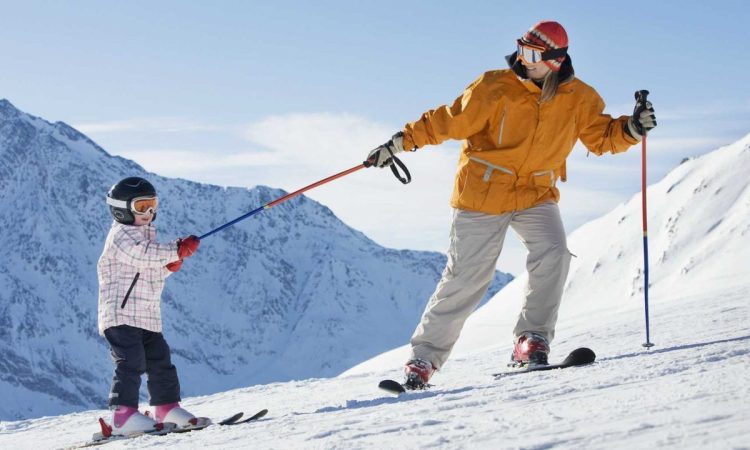
Book lessons in advance wherever possible. Group lessons are ideal for beginners, while private lessons can quickly improve confidence and technique.
8. Ignoring Transfer Times and Travel Logistics
A beautiful resort can become far less appealing after a five hour transfer following an early morning flight.
Long transfers are often overlooked when booking accommodation.
How to avoid it:
Check transfer times carefully and consider alternatives such as train travel or closer resorts. Shorter transfers mean more time on the slopes and less travel stress.
9. Not Allowing Time to Rest
Many skiers try to ski every possible hour. This often leads to exhaustion, injuries and frustration, especially for beginners.
How to avoid it:
Plan rest afternoons, long lunches or spa visits. Skiing well for fewer hours is far more enjoyable than skiing badly all day.
10. Trying to Plan Everything Yourself
Booking every element separately can be time consuming and risky. Missed connections, incompatible timings and hidden costs are common.
How to avoid it:
Use a ski specialist who understands resort logistics, pricing and suitability. A tailored approach often saves time, money and stress.
Final Thoughts
A great ski holiday is all about the right planning, not perfection. By avoiding these common ski holiday mistakes, you can focus on what really matters, great skiing, good food and unforgettable mountain memories.
If you want a ski trip built around your needs, experience level and budget, expert planning can make all the difference.