

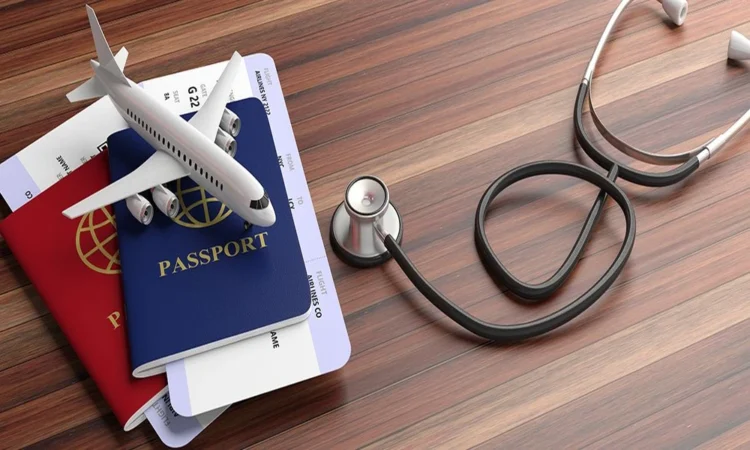
Unexpected medical treatment can disrupt a carefully planned travel budget. Hospital fees, medicines, emergency transport, and extended accommodation may create expenses beyond ordinary spending, travel insurance for overseas travel (海外旅遊保險) can provide financial support for eligible medical situations. Understanding coverage limits, emergency assistance, exclusions, and claim requirements helps travelers prepare for costs before treatment becomes necessary.
Medical Emergencies Can Raise Costs
A health problem may involve more than one expense. A hospital visit can lead to tests, medication, specialist care, or observation. Serious cases may require transportation or extended accommodation. Suitable insurance can cover eligible expenses, reducing direct payments during an unexpected medical situation.
Which Medical Expenses May Receive Support?
Coverage can address specific emergency costs according to policy terms. The level of support depends on limits, exclusions, deductibles, and selected protection.
- Emergency treatment may qualify for coverage.
- Hospital expenses can receive financial support.
- Prescribed medicines may form eligible expenses.
- Emergency transport can carry separate limits.
- Medical evacuation may require higher protection.
Reviewing these categories gives travelers a clearer financial picture before departure.
Emergency Assistance Can Control Added Expenses
Medical treatment can also disrupt return plans. A hospital stay may require extra accommodation, transport, or revised travel arrangements. Emergency assistance can help coordinate suitable arrangements during treatment. Good travel insurance for overseas travel (海外旅遊保險) can therefore address more than direct hospital expenses.
For example, an injury requiring observation may delay a scheduled return. Assistance services can help organize practical arrangements while eligible costs receive policy support.
Could Policy Limits Affect Financial Protection?
Coverage limits determine the amount available for eligible treatment. Separate limits may apply to hospital care, evacuation, transportation, or other expenses. A lower limit can leave greater personal costs after expensive treatment.
Travelers can review these details before selecting coverage:
- Check maximum medical expense limits.
- Review evacuation protection separately.
- Confirm applicable deductible amounts.
- Examine exclusions affecting medical claims.
- Check limits for emergency transportation.
A policy with a lower premium may carry narrower protection. Cost alone cannot show the complete financial value.
What Can Influence A Medical Claim?
A medical expense does not automatically qualify for reimbursement. Policy conditions can affect eligibility, including exclusions, pre-existing conditions, documentation requirements, and notification procedures.
Medical records, receipts, treatment reports, and payment evidence may support a claim. Prompt contact with the insurer can also clarify required steps. Keeping these documents accessible can make the claims process easier after treatment.
Can Assistance Reduce Unexpected Disruptions?
Medical emergencies can affect plans beyond treatment costs. Emergency assistance may help arrange transportation, locate suitable medical facilities, or coordinate changes to travel arrangements. These services can reduce the practical burden while eligible expenses remain subject to policy terms. As a result, support can extend beyond reimbursement alone.
Coverage Can Protect The Travel Budget
Medical emergencies can change financial priorities within hours. Treatment costs may combine with accommodation, transportation, and altered return arrangements. Appropriate coverage can create a financial buffer against eligible expenses.
The most useful comparison starts with potential exposure. Coverage limits and exclusions deserve the same attention as premium costs. A small detail, such as an evacuation limit, can influence the final amount paid personally.
FAQs
Does travel insurance cover every medical expense?
Coverage depends on policy terms, exclusions, limits, and eligibility conditions.
Can emergency transportation receive insurance coverage?
Some policies provide transportation coverage under specific conditions and limits.
Why are medical receipts important for claims?
Receipts provide evidence supporting eligible treatment and reimbursement requests.
Can hospital treatment increase other travel expenses?
Yes, treatment may affect accommodation, transport, and return arrangements.