
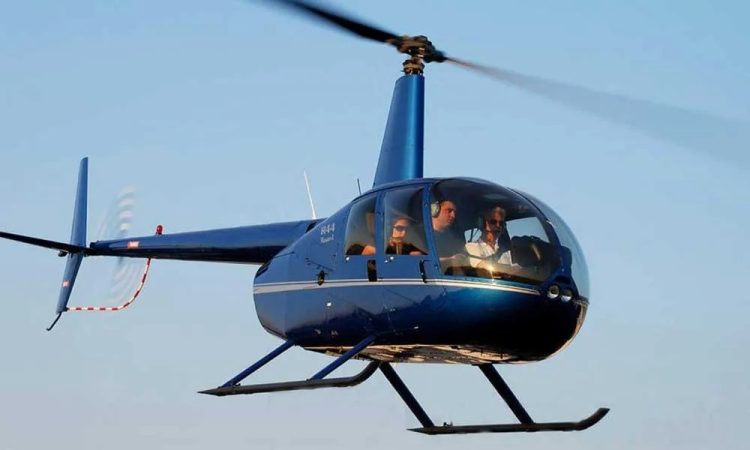
You’ll get your best Hollywood Sign photos from the helicopter tour with safe, braced-in-cabin shooting and deliberate angles. Ask the pilot for a three-quarter downhill rake (southwest to northeast) to show letter depth and ridge texture, then a lateral ridge pass for clean readability. Add a high oblique to layer Griffith Park and the LA skyline without distortion (35-70mm). Keep straps secured, elbows tucked, and shoot 1/1000-1/2000 with continuous AF. Keep going for specific shot windows and glare tactics.
Best Seat for Hollywood Sign Helicopter Photos?
Where should you sit to capture the Hollywood Sign with the least glare and the cleanest framing? Choose the front-right seat if available; you’ll get a wider forward arc, less rotor intrusion, and cleaner leading lines over Griffith Park. If you’re in the rear, take the right-side window and keep your lens perpendicular to the glass to minimize reflections and distortion. Wear dark clothing to cut interior bounce, and press a rubber lens hood lightly to the window-never hard enough to stress the acrylic. Keep straps secured and elbows in; flight safety requires a stable posture and zero loose gear. Before liftoff, set the fast shutter speed, low ISO, and continuous AF. For two-word discussion ideas: polarizer strategy, window hygiene.
Flyover vs. Orbit on a Helicopter Tour
When you get a straight flyover, you’ll have seconds to lock focus, set a fast shutter, and frame the Hollywood Sign against the ridgeline before it slips past the door line. If your pilot can safely establish an orbit, you’ll gain multiple azimuths and elevations to refine composition, control glare, and pick the cleanest background. You should follow crew cues, keep gear secured, and shoot only in accordance with approved procedures so the aircraft remains stable while you pursue the best angle.
Flyover Shot Opportunities
How do you decide between a quick flyover and a controlled orbit when you’re chasing a clean Hollywood Sign frame from a helicopter? For flyover shot opportunities, you’re optimizing a single pass: brief, dynamic, and dependent on timing. Run a fast gap analysis-sun angle, haze, wind, and your door position-then lock in equipment choices that tolerate vibration and speed (fast shutter, stabilized lens, tethered body). You’ll get sweeping context: ridgelines, radio towers, and the Sign’s relief against the basin.
- Pre-brief your shot window with the pilot and confirm a safe camera-out posture.
- Shoot bursts as you cross the sightline; keep horizons level and framing loose.
- Review quickly, then adjust exposure and repeat on the next pass if available.
Orbit Angle Advantages
Why settle for a split-second pass if you can build a cleaner frame with a controlled orbit? On a flyover, you chase timing while the sign slides through your window, and you’re stuck with whatever distance, glare, and background you get. In an orbit, you and the pilot manage the orbit angle to lock the letters against ridgelines, downtown haze, or a sunset gradient, then hold it long enough to refine focus and exposure. You’ll also stabilize composition by matching bank to shutter speed, reducing motion smear and rotor vibration artifacts. Dynamic framing becomes repeatable: you can tweak altitude, lateral offset, and sun position without abrupt heading changes. It’s safer too-predictable turns, clear callouts, and no rushed reach for gear.
Best Hollywood Sign Angles From the Air (Shot List)
Ever wonder which aerial angles make the Hollywood Sign read crisp, scale correctly, and stay safely within your pilot’s flight profile? Lock your camera to a fast shutter speed, keep the horizon level, and choose the best seat based on window reflections and rotor wash. Think flyover vs. orbit: a flyover gives quick parallax; an orbit yields controlled framing, but you’ll still want distinct shot cues.
- Three-quarter downhill rake (southwest to northeast): You’ll see letter depth, ridge texture, and balanced skyline without compressing the hillside.
- Lateral pass along the ridge line: You’ll keep a consistent distance, reducing scale drift while the background scrolls cleanly.
- High oblique with downtown in the far field: You’ll layer haze, sun angle, and terrain for a modern, data-rich composition.
Front-On Hollywood Sign Shots Over Mount Lee
From directly above Mount Lee, a front-on Hollywood Sign frame can look deceptively simple-until you manage letter symmetry, ridge alignment, and rotor-induced vibration all at once. You’ll want a stabilized lens or gimbal, fast shutter (1/1000+), and a slightly longer focal length to compress the hillside without clipping the “H” or “D.” For front-on shots, ask your pilot for a slow, steady hover or gentle crab so the sign stays orthogonal to your sensor plane. Use mount lee angles that keep the ridge crest level and the antennas out of your top third, while preserving separation between letters and background chaparral. Stay harnessed, keep gear tethered, and never lean past the door line.
Three-Quarter Hollywood Sign Angles Over Griffith Park
You’ll get the cleanest three-quarter view by flying a southwest approach over the ridge line, keeping the helicopter’s bank shallow so you maintain stable framing and safe terrain clearance. At golden hour, you can use Griffith Park’s warm, textured canopy as a controlled exposure backdrop while locking a fast shutter to counter vibration. Time your burst so the sign sits foreground-left with the downtown skyline layered behind it, giving you depth without forcing aggressive maneuvering.
Southwest Approach Over Ridge
Where can you capture the Hollywood Sign with depth and scale in a single frame? On the southwest approach over the ridge, you’ll see the letters in a three-quarter view, stacked against Griffith Park’s folds, with foreground chaparral giving instant parallax. Use two-word discussion ideas with your pilot-“orbit timing,” “lens choice,” “ridge clearance”-to align your camera and the aircraft’s line.
- Shoot at 1/1000s and ISO Auto to freeze rotor vibration and keep detail in white letters.
- Set a mid-telephoto (50-85mm) so the sign stays dominant while the park reads as layered terrain.
- Stay safety-minded: keep straps secured, don’t lean past the door frame, and follow headset callouts for turns and altitude changes.
Golden Hour Park Backdrop
As the sun drops toward the Pacific, the three-quarter angle over Griffith Park gives the Hollywood Sign a warm edge-light and throws long shadows that carve the ridgelines into clear layers. You’ll want the aircraft slightly off the sign’s face so the letters separate cleanly from the chaparral, while the park’s trails and observatory grounds read as textured foreground.
Set a fast shutter to freeze rotor vibration, then bracket exposure to hold highlights in pale paint while preserving the canyon’s dusk. Ask your pilot for a gentle, coordinated orbit and keep your lens inside the cabin; loose gear stays stowed. This timing delivers crisp sunset silhouettes along the ridges, and, if you dip toward the basin, brief rooftop reflections can sparkle without blowing out.
Wide LA Skyline + Hollywood Sign Compositions
Ever wondered why the Hollywood Sign looks most cinematic when it shares the frame with the full LA basin? From a helicopter, you can engineer that scale by asking for a gentle orbit that keeps the wide skyline anchored low while the Hollywood sign rides the upper third. Look for atmospheric layers: downtown haze, midground ridgelines, and the crisp letters on Mount Lee, all separated by tonal contrast. Time your composition for clean geometry-freeways as leading lines, the ridge as a diagonal, and the basin as negative space. Stay safety-minded: keep your body inside the cabin, secure your straps, and follow the crew’s no-lean cues so the pilot can maintain stable clearance and predictable turns.
Beat Window Glare and Haze (Timing + Technique)
When does the Hollywood Sign look cleanest from a helicopter-without glare streaking across the window and haze softening the ridgeline? You’ll get the crispest contrast in early morning or late afternoon, when the sun rides low, and you can angle away from direct reflections. Plan your haze timing around post-frontal days with offshore flow; smog settles midday, especially in summer. To reduce window glare, gently press your lens hood against the acrylic (never the airframe), shoot perpendicular to the pane, and eliminate polarized banding by rotating your CPL or removing it. Use technique lighting: expose for the white letters, then bracket one stop for the hills. Keep your straps secured and follow the pilot’s callouts.
Conclusion
Lock in your seat, lock in your shutter, and lock in your sightline. You’ll choose a flyover for speed, an orbit for precision, and a shot list for repeatable results. Aim front-on over Mount Lee, swing to three-quarter angles above Griffith Park, then pull wide to stack skyline and sign. Keep ISO low, shutter fast, and focus steady. Time for clean light, shoot through glare, and stay strapped in, always.