
Iran is one of those destinations that many people arrive in curious and leave with completely transformed perceptions. The country is so diverse that you’ll think you’ve visited several countries in one trip, taking home stories of ancient palaces, surprising landscapes, colorful culture, and, most of all, unexpected kindness. Here are some irresistible reasons to visit, ImmersiveIran experiences, and a practical step-by-step travel guide to help you plan with confidence.
Why Visit Iran?
Iranian People and Their Warm Hospitality
Visitors to Iran often leave talking about one thing above all: the genuine warmth of its people. Hospitality in Iran is more than a social nicety, it’s a heartfelt cultural duty. You don’t need a special occasion to experience it. Whether you’re in a mountain village or navigating a bustling city, expect friendly smiles, frequent welcomes and greetings, helpful strangers pointing you to the best places, and a culture that treats guests as blessings.
Iran’s Historical Legacy: From Antiquity to the Islamic Era
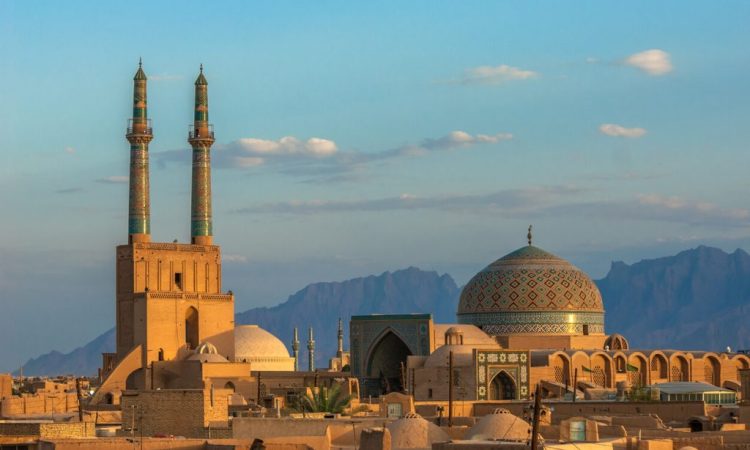
Iran is a living history book. From the monumental columns of Persepolis and the engineering of the Shushtar Hydraulic System to Yazd’s desert architecture and the intricate tilework of Isfahan, the country’s sites trace millennia of human achievement. Layers of Persian empires, Zoroastrian traditions, Islamic artistry, and regional dynasties have left an extraordinary legacy. Scattered UNESCO World Heritage sites let visitors step into those long histories: a major reason many travelers place Iran high on their travel wish lists.
Cultural Iran: Diversity, Depth, and Identity
Iranian culture is a vibrant mosaic formed by Persians, Qashqais, Azeris, Kurds, Lurs, Baloch, Turkmen and many others, each contributing distinct food, music, clothing and dialects. Traveling through Iran is like passing through many cultures as well as landscapes. Every region adds a unique strand to a richly patterned whole. Echoes of ancient beliefs such as Mithraism and Zoroastrianism, alongside Islamic traditions, still inform everyday life and spiritual practice. The country’s literature, music, handicrafts, celebrations, architecture and daily rhythms carry these layers forward, creating deeply ImmersiveIran experiences that linger long after the Iran trip ends.
Iran’s Varied Landscapes: From Highlands to Coastlines
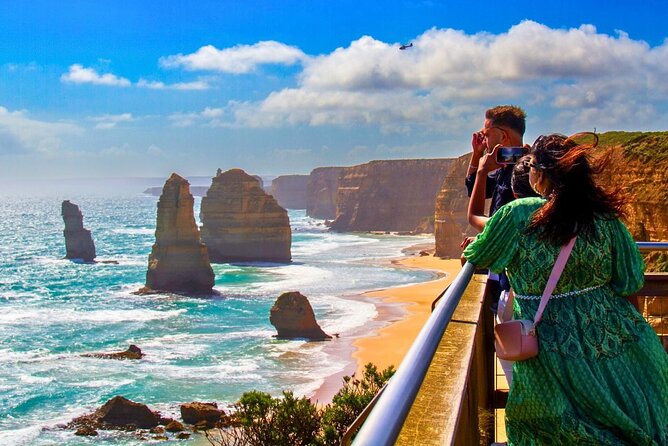
Iran’s natural variety is astonishing. One moment you might be climbing snow-capped peaks, the next, wandering across silent golden dunes. There are cool water-carved canyons, lush northern forests alive with birdsong, salt domes filled with wonders, and islands with remarkable biodiversity and coastal culture. Spanning more than 1.65 million square kilometers, Iran contains strikingly different ecosystems. A single summer can mean scorching heat in the Lut Desert (reaching extreme highs) and cool, pleasant temperatures in the northwest. That dramatic contrast is part of the country’s wild appeal.
Iranian Cuisine: Tradition, Flavor, and Ritual
Iranian cuisine is colorful, fragrant, and deeply memorable. Regional specialties range from saffron-scented rice to slow-simmered stews brightened with herbs and pomegranate, from village breads pulled hot from the oven to delicate rosewater desserts. Meals are social rituals, savored with family, shared with conversation, laughter, and love. Whether you sample fresh seafood along the Persian Gulf, charcoal-grilled kebabs in the highlands, or vibrant vegetarian dishes in the Caspian region, every meal is an invitation to connect. For many travelers, food becomes one of the most lasting reasons to recommend Iran.
How to Visit Iran?
Practical Iran Travel Guide — step by step
1) Check Your Nationality’s Visa Rules
A large number of nationalities are visa-free to Iran. The rest need to receive a visa confirmation code in advance. This process usually takes 3-10 working days for most nationalities, and around 40 days for special nationalities, meaning the nationals of the US, the UK, and Canada. Passport validity of at least six months is normally required.
2) Plan an Itinerary that Fits Your Style
Iran is a large and diverse country with a wide option for travelers. Plan your itinerary based on the season, your time limits, and your preferences. For culture lovers who visit Iran for the first time, typical 10-day itineraries combine Shiraz/Persepolis (history, culture, and poetry), Isfahan (square, palaces, and bridges), Yazd (desert architecture and Zoroastrian relics), Tehran (museums and palaces), and Kashan (traditional mansions). If you prefer deeper local experience or a bit of adventure, add a few nights in a village, nomadic family, a desert, an island, or more.
3) Apply for Your Visa (if applicable)
Now that you know your itinerary, it’s time to take a step further. If you are not among the mentioned special nationalities, you can submit applications directly on the Ministry of Foreign Affairs. For a faster and more hassle-free application, do it via a licensed travel agency in Iran. The special nationalities have to apply via agencies. Allow time for approval. After you’ve received your visa confirmation, you can either receive your visa on arrival at an Iranian airport (not an option for special nationalities), or via an Iranian consulate.
4) Choose a Reliable Local Operator
If you prefer hassle-free logistics, book with licensed incoming agencies that provide local guides, hotel bookings, transportation, help with permits (especially for remote areas), and any other services you require in Iran. Ask for past client references, sample itineraries, and clear payment terms.
5) Plan Entry Method
Iran offers multiple, convenient ways for international travelers to enter the country by air, land, or sea. Air travel is the most common option, with major international airports in Tehran, Shiraz, Mashhad, Isfahan, Tabriz, and Kish, served by both international and Iranian airlines. Land entry is possible from seven neighboring countries, including Turkey, Armenia, Azerbaijan, Iraq, Pakistan, and Turkmenistan. Sea access is available through the Persian Gulf and Oman Sea.
6) Respect Customs and Local Laws
Dress modestly, but comfortably. Avoid political discussions in public, and follow official guidance on photography near sensitive sites. Bringing alcohol into Iran is prohibited, and narcotics are strictly banned. Be aware of customs rules about printed material, electronics, and other restricted items; declare anything required on arrival.
7) Money, Connectivity, and Social Media
As international bank cards do not work in Iran, cash is essential. So be sure to bring enough with you. Iranian SIM cards can be easily purchased at airports and provide reliable mobile data for internet access. In addition, most hotels offer Wi-Fi connections. Please note that some social media platforms may be restricted in Iran, so it’s recommended to download a few reliable VPNs on your phone before arriving.