
There’s a certain fatigue that comes with Europe’s famous mountain resorts. You arrive expecting silence and fresh air, and instead you find queues, branded chalets, and menus translated into five languages. It’s not that these places are bad. They’re just loud in ways mountains shouldn’t be.
What’s often missed are the towns slightly off the main routes — places where the mountains are not a backdrop but a fact of life. Where people still live year-round, where cafés close when the light changes, and where nothing is arranged for your convenience, yet everything feels easier.
These towns don’t announce themselves. They don’t try to impress. You usually arrive by accident, or because a local told you to take the slower road.
Soglio, Switzerland
The name means “threshold,” which feels accurate. Soglio sits on the edge of the Val Bregaglia, facing a wall of granite peaks that look close enough to touch. The village itself is small, almost stubbornly so: stone houses, narrow lanes, gardens that seem improbably calm for their altitude.
There’s a particular silence here — not absence of sound, but the soft layering of cowbells, wind, and footsteps on gravel. Days pass slowly, measured by light on the mountains rather than schedules. People sit outside without checking the time. You start doing the same.
Valldemossa, Mallorca (beyond the postcard hours)
Yes, Valldemossa is photographed. But most people leave by late afternoon, when tour buses retreat toward the coast. That’s when the town returns to itself.
Evenings are cool, the air carrying pine and damp stone. Locals reclaim the square. You hear Catalan again. The mountains of the Serra de Tramuntana loom quietly behind the tiled roofs, reminding you that this is not just a “pretty village,” but a place shaped by altitude, isolation, and stubbornness.
Stay overnight and the rhythm changes entirely. Morning arrives with church bells and shutters opening, not engines.
Cervinia, Italy
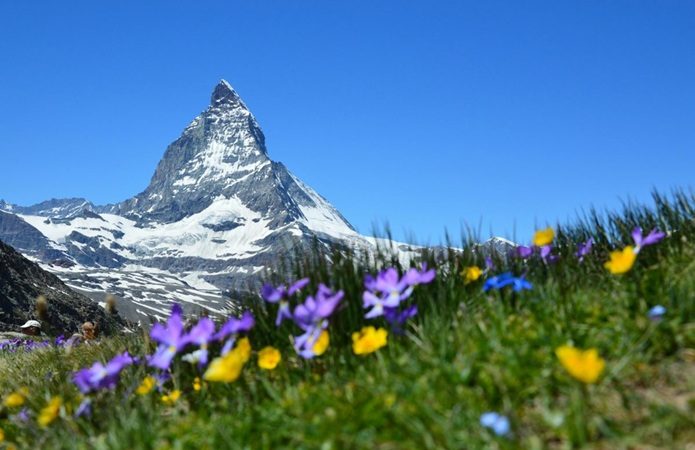
Cervinia is often dismissed too quickly. People pass through on skis, look up at the Matterhorn, and move on, assuming they’ve “done” it. But linger a little longer and the place reveals a quieter personality.
Set on a high plateau, the town feels exposed in a way that’s oddly calming. The air is thin, the light sharp, the landscape uncompromising. Walks start directly from the village, without ceremony. Evenings are hushed, shaped by altitude and early darkness rather than nightlife.
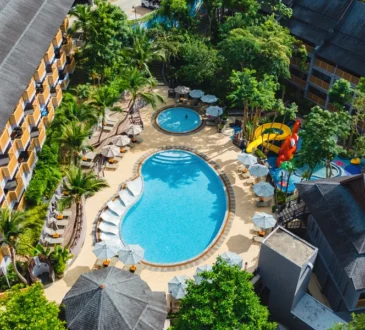
Here, comfort comes from practicality and space. The appeal of hotels in mountain destinations makes more sense in Cervinia than in flashier resorts: warmth after cold, wide windows facing real scale, and the luxury of not needing entertainment beyond weather and terrain.
Bansko’s Old Town, Bulgaria
Most people know Bansko for skiing, fewer for its older quarter. Step away from the lifts and you find cobbled streets, heavy stone houses, and courtyards designed to keep winter out and community in.
The mountains here are raw, less curated. Shops feel practical. Food is generous and uncomplicated. In the evenings, families stroll without purpose. There’s an honesty to the place — nothing is trying to be alpine-chic, and that’s precisely its appeal.
Ronda (when you look away from the bridge), Spain
Ronda is famous for one view, but stay long enough and you’ll discover others. Walk toward the edges of town where houses lean over emptiness. Sit in bars where the walls are scratched from decades of elbows. Watch locals debate football with real intensity.
The surrounding mountains of Andalusia are dry, dramatic, almost severe. They shape the mood here — proud, grounded, occasionally blunt. Ronda isn’t gentle, but it’s deeply rooted, and that rootedness stays with you.
Why these places linger
What these towns share isn’t architecture or altitude. It’s restraint. They don’t perform. They don’t explain themselves. They ask you to slow down without telling you to.
You leave without souvenirs, but with habits slightly altered — walking more, listening better, caring less about filling time. And that, quietly, is what the mountains have always offered to those willing to look past the obvious.